Beyond Sci-Fi: Virtual Reality's Role in Shaping Our Daily Lives
For decades, Virtual Reality (VR) existed primarily within the realm of science fiction, conjuring images of dystopian futures or fantastical digital worlds. Films like Minority Report and The Matrix painted vivid pictures of alternate realities, making VR seem like a distant dream. Yet, what was once a cinematic fantasy is now a tangible technology rapidly integrating itself into the fabric of our everyday existence, fundamentally altering how we learn, work, play, and connect. Far from being a niche gadget, Virtual Reality is emerging as a powerful tool with profound implications for human experience.
What Exactly is Virtual Reality? Deconstructing the 'Near-Reality'
At its core, Virtual Reality is remarkably simple yet incredibly complex. The term itself offers a clue: 'virtual' suggests something that is nearly, but not quite, what it seems, while 'reality' refers to our lived experience. Thus, Virtual Reality can be understood as 'near-reality' – an experience designed to mimic or extend our perception of the real world.
Our understanding of reality is fundamentally shaped by our senses. Beyond the traditional five – sight, sound, touch, taste, and smell – humans possess a multitude of sensory inputs, including balance, proprioception (our sense of body position), and temperature. These diverse streams of information are meticulously processed by our brains, creating the rich, cohesive reality we perceive every moment. Virtual Reality Explained: How VR Tricks Your Senses into New Worlds by presenting our sensory systems with computer-generated information, effectively tricking our brains into perceiving a world that isn't physically present.
In technical terms, Virtual Reality describes a three-dimensional, computer-generated environment that a person can explore and interact with. The user becomes immersed within this simulated world, gaining the ability to manipulate objects, navigate spaces, and perform actions as if they were physically there. This sensation of presence and interaction is what truly defines a compelling VR experience.
The Mechanics of Immersion: How VR Comes to Life
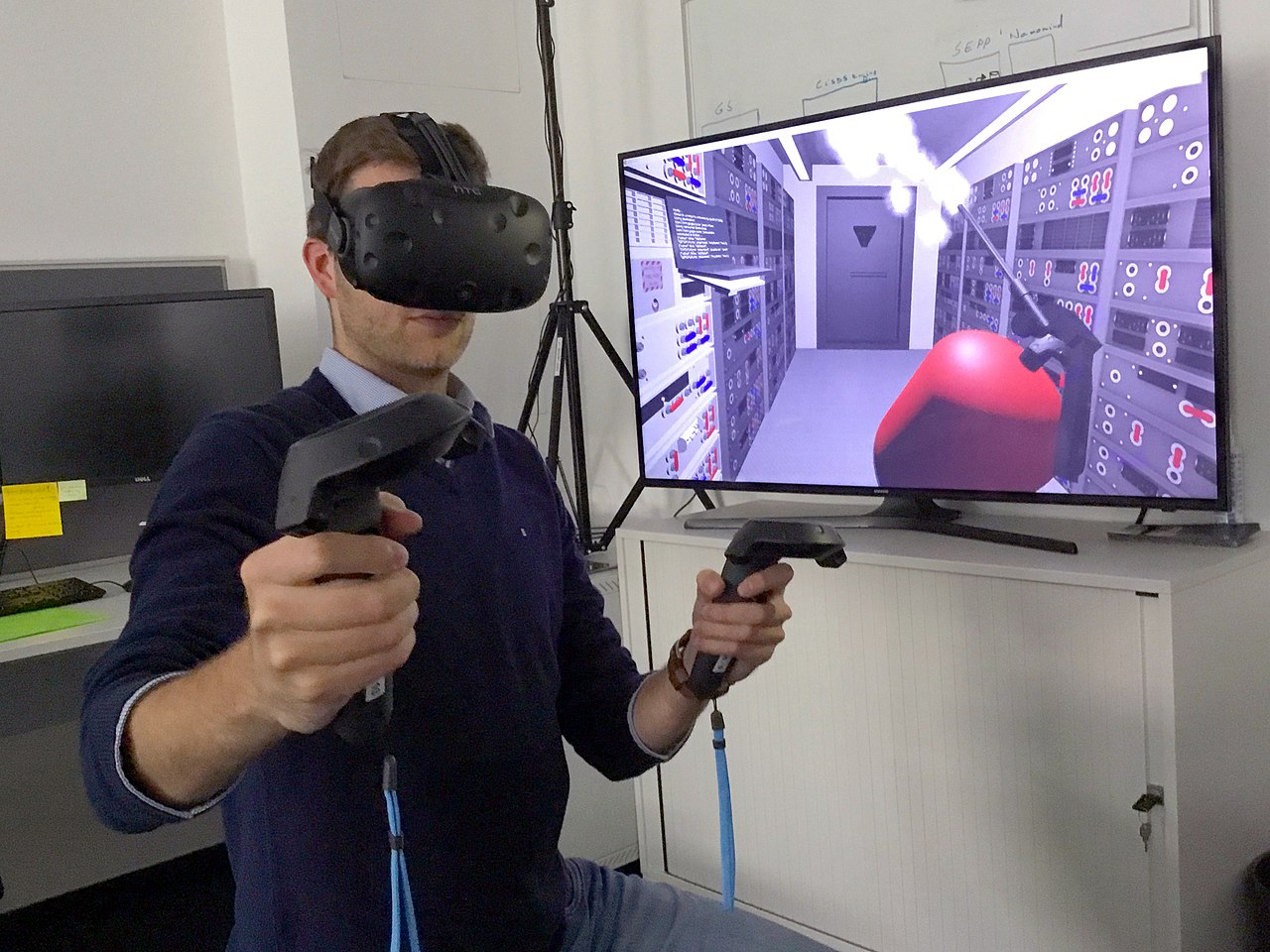
Achieving this convincing illusion of 'near-reality' is a sophisticated technological feat. Modern Virtual Reality systems predominantly rely on cutting-edge computer technology to stimulate our senses in a finely synchronized manner. The most recognizable component is the VR headset, which typically employs high-resolution displays to provide a wide field of view, stereo sound for spatial audio cues, and motion tracking sensors to monitor head and body movements. Beyond the headset, other peripherals like haptic gloves provide tactile feedback, while omni-directional treadmills allow for physical movement within virtual spaces, further enhancing immersion.
The challenge lies in the meticulous coordination of these sensory inputs. Our brains and senses are incredibly adept at detecting discrepancies. Even a slight delay (latency) in visual feedback, a mismatch between visual motion and inner ear sensations, or an unnatural field of view can break the illusion, leading to discomfort or a sense of detachment. This is where concepts like immersiveness and realism become critical. Developers and engineers constantly strive to minimize these "tells," creating experiences that feel seamless and natural. Understanding human physiology, from our visual acuity to our vestibular system, is paramount to crafting truly believable virtual worlds. Behind the Screen: How VR Technology Creates Immersive Realities highlights the intricate engineering required to achieve this delicate balance.
Beyond Gaming: Virtual Reality's Transformative Applications
While gaming remains a highly popular and accessible entry point for many into the world of Virtual Reality, its applications stretch far beyond entertainment. VR is rapidly becoming a transformative tool across numerous sectors, proving its versatility and profound potential:
- Education and Training: Imagine students exploring ancient Rome, dissecting virtual organs in anatomy class, or conducting complex chemistry experiments without the risk of real-world hazards. VR offers unparalleled opportunities for immersive learning, making abstract concepts tangible and accessible. Professionals can undergo highly realistic training simulations, from pilots practicing emergency landings to surgeons honing their techniques, all in a safe, repeatable, and cost-effective virtual environment.
- Medicine and Healthcare: VR is revolutionizing healthcare. It's used in physical therapy for rehabilitation, helping patients regain motor skills in engaging virtual settings. For mental health, VR exposure therapy treats phobias, PTSD, and anxiety by gradually exposing patients to trigger situations in a controlled digital space. It also aids in pain management, diverting patients' attention during painful procedures or chronic conditions.
- Design and Architecture: Architects and designers can walk through virtual prototypes of buildings or products before a single brick is laid or a component is manufactured. This allows for early detection of flaws, collaborative design reviews with stakeholders worldwide, and a more intuitive understanding of scale and spatial relationships.
- Retail and E-commerce: Consumers can virtually 'try on' clothes, explore virtual showrooms for cars or furniture, and even design custom products in a 3D space. This enhances the online shopping experience, reducing returns and increasing customer confidence.
- Social Connection and Remote Work: With the rise of the metaverse concept, Virtual Reality is creating new avenues for social interaction and professional collaboration. Virtual meeting rooms offer a more engaging and "present" alternative to traditional video calls, fostering a sense of shared space and natural communication, regardless of geographical distance.
Navigating the Virtual Frontier: Tips for Embracing VR
For those new to the world of Virtual Reality, diving in can seem daunting, but embracing this technology can unlock incredible experiences. Here are a few practical tips:
- Start Simple: Begin with standalone headsets like the Meta Quest series. They are user-friendly, don't require a powerful PC, and offer a vast library of experiences, from casual games to meditation apps and virtual travel tours.
- Mind Your Space: Ensure you have a clear, safe physical area for VR. Many experiences require room-scale movement, and bumping into furniture can quickly break immersion (and potentially cause injury). Utilize the guardian or boundary systems provided by your headset.
- Pace Yourself: Some people experience motion sickness (cyber-sickness) in VR, especially with experiences involving artificial locomotion. Start with stationary or "teleportation" movement options, take breaks, and consider anti-nausea remedies if needed. Your "VR legs" will develop over time.
- Explore Diverse Content: Don't limit yourself to just games. Experiment with educational apps, virtual tourism, fitness programs, and social VR platforms to discover the breadth of what Virtual Reality offers.
- Prioritize Comfort and Hygiene: Adjust your headset for a snug but comfortable fit. If sharing, use sanitary wipes for the face cushion to maintain hygiene.
While challenges like cost, resolution limitations, and potential cyber-sickness persist, the rapid pace of innovation in Virtual Reality is continually addressing these issues. The future promises lighter, more powerful headsets, increasingly realistic graphics, and even more seamless integration into our daily routines.
From captivating entertainment to life-changing applications in health and education, Virtual Reality has undeniably moved beyond the realm of speculative fiction. It's a testament to human ingenuity, pushing the boundaries of perception and interaction. As the technology continues to evolve, its influence on how we experience and understand our world will only deepen, making the line between the virtual and the 'real' more beautifully, and perhaps indistinguishably, blurred.